Your operation requires consistent cleaning schedules tailored to unique hazards, processing volumes, food allergens, and regulatory visits, with auditable records validating HACCP requirements, compliance audits, and public health regulations. The details below provide details about essential cleaning protocols.
Important Highlights
- Food safety cleaning specialists in Brampton support restaurants, grocery departments, commissaries, warehouses, bakeries, schools, mobile vendors, and allergen-sensitive operations.
- They clean high-touch surfaces, food-contact equipment, kitchens, floors, drains, restrooms, and storage areas using sectional methods to eliminate cross-contamination.
- Proper chemical concentration, appropriateness, and contact time are checked by qualified providers, with completion filed via swabs, inspections, and corrective-action records.
- Hygiene plans need to comply with danger, production rate, transitions, incidents, and guidelines, with routine, recurring, and periodic operations assigned by location.
- Protection, colour-coded implements, HACCP, public-health competency, safety training instruction, testimonials, and compliance-ready maintenance records are important provider characteristics.
What Brampton Venues Require Food Safety Cleaning?
Any Brampton facility that handles, stores, prepares, packages, or serves food needs sanitation protocols. You must implement it if your business falls under public health inspection, food premises regulations, or internal HACCP-based controls. That requirement covers eateries, dining facilities, food distribution centers, supermarket departments, meat markets, fish counters, corner stores, and commercial kitchens.
You also need compliant food safety cleaning in supply warehouses, manufacturing facilities, refrigerated storage, bakeries, school feeding programs, reception facilities, and delivery centers. Mobile and seasonal operations count too, including food trucks, event vendors, and temporary booths. If your staff work with raw supplies, divide prepared foods, warm dishes, or organize allergen inventory, your facility needs recorded sanitation procedures. In Brampton, cleanliness isn't voluntary; it's part of lawful, functional, and customer safety adherence.
What Services Do Brampton Cleaning Experts Provide?
Your operation needs cleaning professionals who sanitize all high-touch areas, kitchens, floors, and toilet facilities to maintain food safety compliance and public health standards. These zones receive attention due to their elevated cross-contamination potential, trip and slip dangers, and violations of hygiene standards.
Knowing their service areas allows you to confirm your facility's cleaning meets required standards and regulations.
Critical High-Touch Surface Sterilization
Brampton cleaning teams emphasize high-touch surface cleaning considering the threat of bacteria, viruses, and food residue spreading across the establishment. You need a scheduling system for sterilizing frequently touched items like handles, plates, switches, railings, equipment controls, payment terminals, and fridge pulls. Using surface identification mapping, experts identify every commonly touched point and assign cleaning timing
replacing cleaning materials appropriately, using unidirectional cleaning methods, and segregating cleaning tools according to area. These measures keep your disinfection plan measurable, well-documented, and compliance-ready always.
Kitchens, Floors, and Restrooms
Professional cleaners in Brampton prioritize kitchens, floors, and restrooms given that each location involves specific contamination control, falling hazards, and health code requirements. In industrial kitchens, you need grease removal from cooking stations, appliance surfaces, drain systems, preparation areas, and backsplashes to minimize bacterial growth and pest activity.
Floor care that is recorded should also be anticipated. Technicians clean and remove buildup from tile grout, ceramic surfaces, and vinyl floors, then apply correct drying techniques so you can reduce slip incidents and maintain code-compliant conditions. They also handle entryways where moisture and debris migrate indoors.
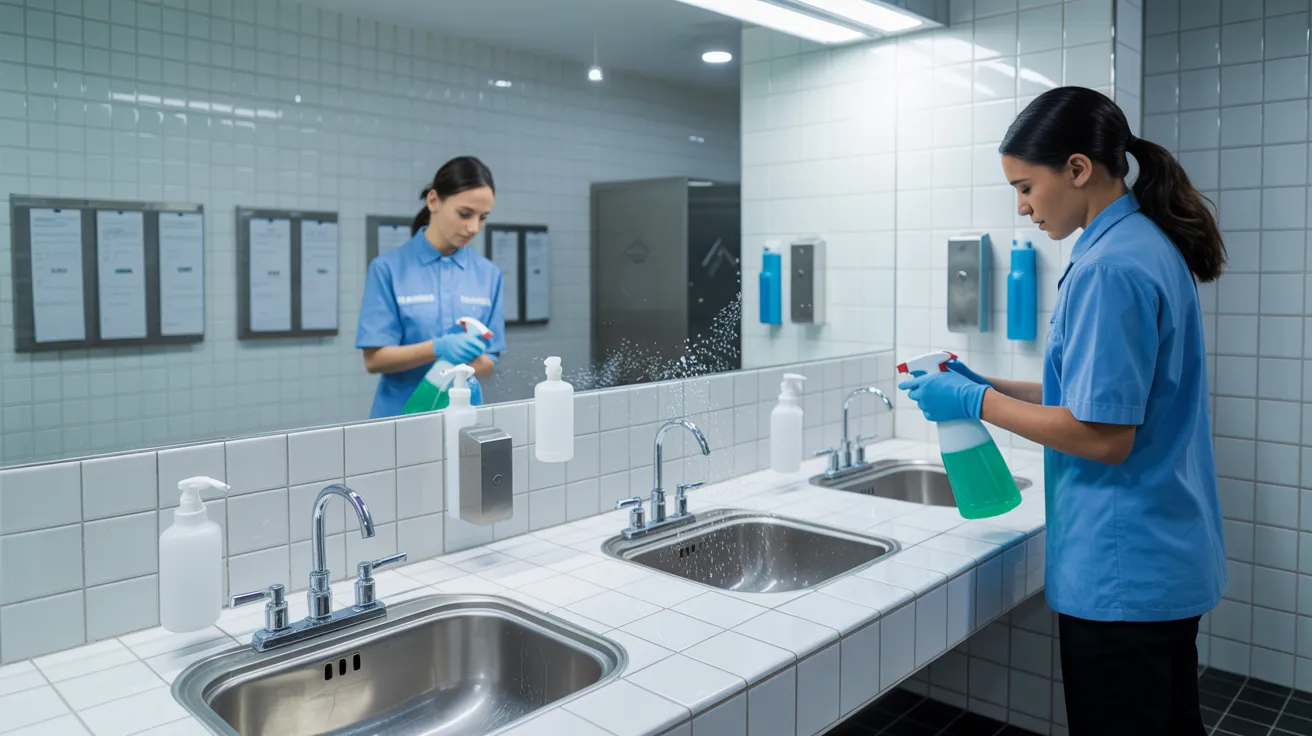
Restroom cleaning involves disinfecting surfaces, fittings, separators, dispensers, and containers, replenishing amenities and managing odor. They also service restaurant moprooms, where chemical storage, sink hygiene, and drainage conditions can affect sanitation compliance and staff safety daily.
The Importance of Food Safety Cleaning in Brampton
Brampton businesses need to implement food-safe cleaning standards for satisfying health code requirements and obtaining approval. You also reduce bacterial spread through proper cleaning of food-preparation surfaces, appliances, and frequently-touched items. Most importantly, you safeguard community wellness by reducing the chance of food poisoning in your establishment.
Food Safety Regulations
Food companies in Brampton face mandatory safety protocols, making food safety cleaning critical to fulfilling health code requirements, protecting patrons, and eliminating enforcement action. You must maintain sanitized food contact points, documented cleaning schedules, safe chemical management, and traceable training practices that comply with municipal and provincial inspection expectations.
Failure to maintain cleaning standards creates risks violations, remedial directives, reputational damage, and operational suspension during additional reviews or enforcement actions.
Cross-Contamination Prevention
Following regulatory requirements depends on your skill in stopping cross-contamination in routine food work and sanitation. You must separate raw ingredients from ready-to-eat foods, sanitize prep surfaces between tasks, and store chemicals away from food-contact items. Clear procedures reduce transfer risks and support consistent compliance during inspections.
Implementing allergen segregation helps ensure major allergens don't touch communal work zones, bins, or devices. Utilize separate boards, color-labeled items, and strict utensil labeling so staff don't mix items while preparing or distributing. Enforce hand hygiene following raw meat, seafood, eggs, or allergen-containing products. Refresh cleaning cloths often, and verify sanitizer strength with test strips. When you train staff to follow these controls per shift, you establish a more hygienic, safer workplace that meets Brampton's food safety expectations regularly.
Community Health Safety
Should food safety cleaning break, you don't simply risk a failed inspection—you expand the odds of contamination-related sickness harming customers, staff, and the wider Brampton population. You also weaken your role in protecting public health, especially in busy food facilities where contamination can spread quickly through surfaces, equipment, and touchpoints.
You need sanitation procedures that eliminate contaminants, disinfect properly, and verify results. That means following contact times, using approved disinfectants, documenting schedules, and educating employees to meet health-unit expectations. These controls support disease prevention by reducing pathogens before they contaminate surfaces or food. In Brampton, rigorous cleaning shields at-risk groups, prevents disease spread, and enables you to show due diligence. When you maintain proper standards, you don't just meet regulations—you substantially decrease danger and promote secure food handling citywide.
In What Ways Does Cleaning Help Achieve Food Safety Compliance?
Rigorous cleaning routines support food safety compliance by decreasing contamination threats, controlling pathogen growth, and ensuring your facility complies with sanitation requirements under HACCP-based programs and public health regulations. You verify that product-contact areas remain visibly clean and microbiologically controlled, facilitating documented preventive controls and inspection readiness.
Effective cleaning also improves allergen mitigation by eliminating residues that can lead to undeclared allergen exposure. by extracting residues that can lead to undeclared allergen exposure.
How Ought You Arrange Commercial Cleaning Services?
surfaces can collect contamination
facility shutdowns, seasonal-related soil buildup, or pest-control pressure timeframes.
Finding Quality Brampton Cleaning Experts: A Guide
Screen providers initially by their food-safe sanitation requirements—not budget alone. You need to verify that every company meets CFIA, public health, and HACCP-aligned expectations for your operation. Demand insurance verification, WHMIS compliance, training records, and management systems. Evaluate technician knowledge of contamination dangers, chemical safety, and documented sanitation practices.
You should also assess business dependability and responsibility. Request references from food facilities in Brampton, then examine response times, corrective actions, and communication standards. Confirm the company supports supplier audits and can present inspection-ready documentation when regulators or third parties request evidence. Check whether equipment maintenance is performed, color-coded implements are used appropriately, and site-specific hazards are recognized. A competent service protects regulatory adherence, product integrity, and your brand reputation.
What's covered in a sanitation cleaning strategy?
Document a framework that outlines every sanitation task, standard, and responsibility before production begins. You should record cleaning schedules, approved products, ratios, contact periods, tools, and validation approaches for each zone, surface, and piece of equipment. Remember to add pre-operational inspections, corrective actions, and employee training requirements.
Your strategy should also focus on contamination prevention controls, waste handling procedures, pest management measures, and written schedules for rest areas, drains, flooring, and food-contact surfaces. Describe how you'll separate raw and ready-to-eat processes, facilitate ingredient tracking, and maintain accurate allergen labeling through validated cleaning between product changes. You should assign accountability, maintain signed records, and review results against regulatory standards, HACCP controls, and customer requirements. When gaps appear, modify procedures immediately and instruct staff.
Commonly Asked Inquiries
Will cleaning services handle overnight shifts at Brampton facilities?
Yes, you can arrange sanitation coverage to support nighttime operations in Brampton facilities. You'll coordinate nighttime cleaning around production schedules, security measures, and personnel needs. Providers typically establish overnight logistics to reduce disruption, ensure compliance, and record finished work. You should verify response times, supervision, lockout procedures, and disposal methods before beginning service. If you operate controlled environments, you'll also want cleaning records that support inspections and internal quality additional information assurance.
Can sanitation professionals handle emergency spill response?
Yes, you can expect Brampton sanitation professionals who offer emergency spill response solutions. They handle contamination, assess risks, isolate affected areas, and start rapid decontamination to reduce exposure and avoid operational disruption. You should confirm response times, professional credentials, PPE protocols, and disposal procedures. If your facility must comply with industry standards, select a service that records events, follows compliant standards, and enables compliance verification.
Will plant-based disinfectants protect safely food-contact surfaces?
Yes, green disinfectants can be secure for surfaces contacting food if you opt for disinfectants approved for food contact and regulatory compliant. You should check exposure duration, dilution ratios, and rinse procedures before implementation. Many plant based formulas reduce harsh chemical exposure, but you still need confirmation of performance against target microorganisms. To preserve residue-free areas, you should adhere to manufacturer directions precisely and validate the disinfecting agent adheres to food sanitation requirements.
Can maintenance plans adjust with seasonal production changes?
Without question, cleaning schedules customize readily for seasonal variations. Adjust intervals, labor allocation, sanitizers, and validation steps to align with operational cycles while maintaining compliance standards. Reduce production interruptions by timing cleaning surrounding line changes, peak volumes, and usage cycles. Additionally revise procedural documents, training, and monitoring protocols to account for temporary risks, novel allergens, or elevated soil levels. Ongoing evaluations preserve the strategy efficient.
Do commercial cleaners educate employees on sanitation best practices?
Yes, commercial cleaners typically educate your staff on sanitation best practices. You receive employee instruction on proper chemical use, contact times, contamination control, equipment disassembly, and documentation. They typically align training with HACCP, GMP, and CFIA or regional health department regulations. Many perform sanitation audits to verify compliance, spot deficiencies, and strengthen remedial steps. This allows you to maintain consistent procedures, pass inspections, and minimize contamination hazards daily.
Conclusion
Through engaging Brampton commercial cleaning and food safety experts, you do far more than tidy—you ensure your facility for audits and your standards meet requirements. From kitchen spaces to processing areas, all clean areas and organized zones reduce contamination risks and avoid major losses. Through booking service on suitable timelines and adhering to a comprehensive cleaning program, you safeguard your team, your patrons, and your standing. In a tightly controlled regulatory landscape, clean conditions must be a priority—they are fundamental to success.